Understanding Colonial Home Construction
Defining Colonial Architecture
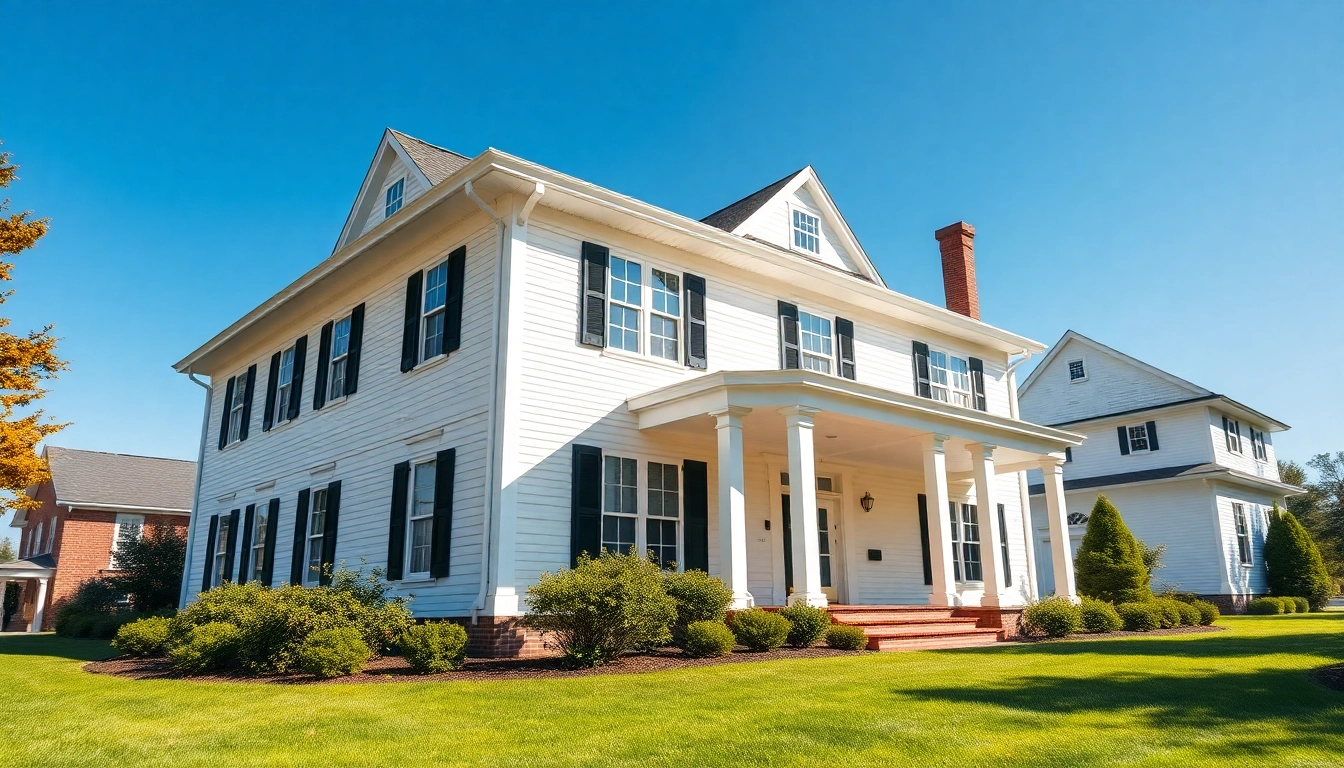
Colonial architecture is a term that encompasses a range of building styles originating from the early European colonization of North America. Characterized by a blend of simplicity and longevity, these homes reflect the cultural and historical narratives of their time. A classic colonial home often features symmetrical facades, pitched roofs, and well-defined doorways, providing a glimpse into the American past. Their design is not merely aesthetic but also practical, built to withstand the regions’ diverse climates and conditions.
Key Characteristics of Colonial Homes
Colonial homes are known for their distinctive features that make them unique. Some of the most prominent characteristics include:
- Symmetrical Design: Colonial homes typically possess a balanced and symmetrical design, with equal number of windows and doors on either side of the front entrance.
- Pitched Roofs: Most colonial homes are topped with steeply pitched roofs that not only add to their visual appeal but are also practical, allowing for better water drainage.
- central Chimneys: Many colonial homes feature a large central chimney, a unique architectural element that often served multiple fireplaces in the home.
- Authentic Materials: Traditionally, colonial homes were constructed using readily available materials such as wood and brick, which emphasize durability and local aesthetics.
Historical Context and Evolution
The colonial architecture style originated in the early 1600s and evolved through various periods, influenced by geographic and cultural changes. Initially, the homes reflected the simplicity of the settlers’ lifestyles, constructed primarily for survival and functionality. As the years progressed, British influences began to blend with local needs, resulting in homes that were not only practical but also showcased the artistic expressions of their owners. Understanding this historical development provides valuable insights into the methods of colonial home construction, allowing modern builders and owners to appreciate the legacy and craftsmanship ingrained in these structures.
Planning Your Colonial Home Construction
Choosing the Right Location
The success of a colonial home often begins with its location. When deciding where to construct your home, consider factors such as proximity to schools and amenities, local weather conditions, and the lay of the land. Traditionally, colonial homes were built on flat lands, facilitating easy accessibility and serve as a gathering space for families. Additionally, understanding local zoning laws and the area’s historical significance can provide a great foundation for your construction project.
Budgeting for Your Project
Effective budgeting is crucial for any construction project, especially when considering the nuances of colonial home construction. Beginning with a clear outline of costs, including land acquisition, design fees, permits, and construction expenses, can help you avoid unexpected financial strain. It’s advisable to allocate a contingency fund, typically around 10-20%, to cover unforeseen expenses that may arise during construction. This practice will help ensure that your project stays within financial bounds while meeting your quality expectations.
Hiring Experienced Contractors
Selecting the right contractors is another essential aspect of planning your colonial home construction. Look for contractors with experience in historical architecture or similar building styles, as they will be more adept at navigating the unique challenges of colonial home projects. Obtain multiple bids and references, and consider visiting past projects to assess their craftsmanship. A well-rounded team will make the construction process smoother, leading to a home that reflects your vision and adheres to the highest standards.
Materials and Techniques for Colonial Home Construction
Traditional Materials: Wood and Brick
Colonial homes traditionally utilized wood and brick due to their availability and structural integrity. Wooden framing, often complemented by brick exteriors, offers both durability and aesthetic appeal. The craftsmanship involved in using these materials not only enhances the home’s longevity but also adds to its character. When constructing your home, consider sourcing local materials to preserve the authentic feel that characterizes colonial architecture.
Modern Innovations in Construction
While traditional materials are foundational to colonial homes, integrating modern innovations can enhance functionality and efficiency. Techniques such as sustainable building practices, energy-efficient HVAC systems, and modern insulation methods can elevate your colonial home while preserving its original charm. Leveraging these innovations can result in a home that performs better while minimizing environmental impact, providing comfort and savings for years to come.
Sustainable Practices in Colonial Builds
Sustainability is a growing priority in construction, and incorporating eco-friendly practices into colonial home construction is a forward-thinking approach. Utilizing reclaimed materials, choosing low-VOC finishes, and implementing energy-efficient technologies are excellent strategies to reduce your ecological footprint. Additionally, installing solar panels or rainwater harvesting systems can enhance the home’s sustainability without compromising its aesthetic appeal, ultimately blending modern living with historical authenticity.
Designing Functional Spaces in Colonial Homes
Maximizing Natural Light
The colonial style often emphasizes symmetry in design, but maximizing natural light doesn’t have to compromise those principles. Strategically placing windows to capture sunlight while considering views and privacy can transform the spaces within your home. Using larger panes or light-colored window treatments can enhance brightness and make rooms feel more inviting. Incorporating skylights in areas where additional light is beneficial can be a smart solution, merging traditional elements with modern designs.
Open-Concept vs. Traditional Layouts
While colonial homes often feature distinct rooms designed for specific functions, the trend towards open-concept layouts is gaining popularity. The balance between maintaining traditional touch points and accommodating modern lifestyle demands can be achieved through careful planning. Consider creating an open, flowing space between the kitchen and living areas while keeping the formal dining room separate, which allows for flexibility without sacrificing the home’s heritage.
Enhancing Curb Appeal
The exterior of a colonial home is its first impression, and enhancing curb appeal is essential for both enjoyment and future resale value. Traditional elements such as well-maintained landscaping, period-appropriate front doors, and classic shutters can enhance visual appeal. Additionally, detailing the entryway and ensuring the exterior materials are in harmony can create an inviting atmosphere. Regular upkeep, such as painting and landscaping, also plays a crucial role in maintaining the beauty of colonial homes.
Maintaining and Renovating Colonial Homes
Routine Maintenance Tips
Regular maintenance is vital to preserving the integrity of colonial homes. Schedule annual inspections for roofing, siding, and foundational integrity. Keeping an eye on plumbing and electrical systems is also essential to avoid major repairs later. Any wear and tear, particularly in older homes, should be addressed promptly to maintain the overall structure and appearance of your home.
Restoration Techniques for Historic Homes
Restoration of historic colonial homes requires a careful balance between maintaining authenticity and modern expectations. Techniques such as stripping old paint, restoring original woodwork, and replacing deteriorated materials with like-kind replacements are essential. Researching the home’s history and architectural style will guide restoration efforts while ensuring the outcome honors its origin.
Preserving Historical Integrity
When renovating or updating a colonial home, preserving historical integrity is paramount. Seek guidance from architects or historians specializing in colonial architecture to maintain the home’s character. Utilize historically accurate materials and techniques whenever possible. Engage in community resources and preservation organizations that support historical homes, fostering a culture of appreciation and authenticity.
Frequently Asked Questions
What makes a house colonial?
A colonial house typically features a symmetrical design, steeply pitched roofs, central chimneys, and traditional materials like wood and brick.
How can I modernize a colonial home without losing its charm?
Incorporate modern amenities gradually, such as open-concept spaces or energy-efficient technologies, while keeping original features intact.
What are the best materials for colonial home construction?
Using traditional materials such as wood and brick is ideal for colonial homes, ensuring both durability and classic aesthetic appeal.
How do I maintain the curb appeal of a colonial home?
Regular landscaping, maintaining exterior paint, and ensuring architectural features are intact greatly enhance curb appeal.
Is renovation of a colonial home expensive?
Renovation costs can vary, but they often require careful budgeting due to the need for authentic materials and skilled craftsmen.