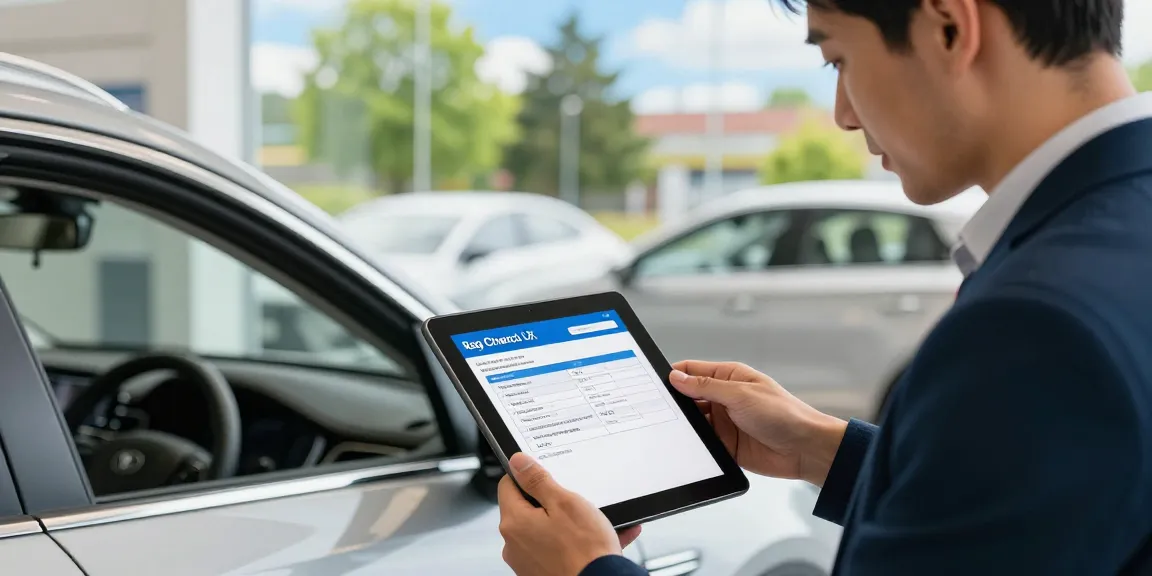
Understanding the Full Vehicle History Report
When purchasing a used vehicle, gaining an understanding of its past is crucial. A full vehicle history report serves as the window into a car’s past, providing invaluable information that can influence buying decisions and enhance buyer confidence.
What is a Full Vehicle History Report?
A full vehicle history report details a comprehensive history of a vehicle. It is generated using data collected from various sources such as DMV registries, insurance companies, and automotive service providers. This report typically includes essential information like previous ownership, accident history, service records, and any existing liens on the vehicle. By reviewing this report, prospective buyers can assess a vehicle's condition and value accurately.
Key Components of a Vehicle History Report
- Title Information: It reveals whether the car has a clean title or a salvage title, indicating if it has been involved in major accidents or declared a total loss.
- Accident Records: This section chronicles any reported accidents, including the severity and nature of the damage.
- Service History: Details of maintenance and repairs, which can indicate how well the vehicle has been cared for over the years.
- Odometer Readings: Records on mileage to detect any instances of odometer rollback.
- Registration History: Provides insights about the number of previous owners and geographic regions where the vehicle was registered.
Why a Full Vehicle History Report Matters
A full vehicle history report is not just a formality; it plays a significant role in the decision-making process when purchasing a vehicle. It helps buyers avoid lemons (cars with undisclosed issues) and also acts as a tool against fraud. Moreover, lenders may require this report before approving financing, adding an additional layer of importance for potential car buyers.
Benefits of Obtaining a Full Vehicle History Report
Enhancing Purchase Decisions for Used Cars
When contemplating the purchase of a used vehicle, having access to a reliable full vehicle history report can significantly enhance your decision-making process. By scrutinizing past ownership details and vehicle condition, buyers can negotiate better deals and avoid future regrets.
Insurance Benefits Linked to Vehicle History
Insurance companies often consult vehicle history reports to assess risk and determine premiums. A clean history can lead to lower insurance rates, while those with evidence of prior accidents may incur higher costs. Understanding this connection can help buyers choose vehicles that not only meet their budget but also ensure greater long-term savings on insurance costs.
How It Protects You Against Fraud
Fraudulent sellers often manipulate vehicle history to make a car appear more appealing. A full vehicle history report mitigates this risk by providing transparent information regarding the vehicle’s past, ensuring that buyers can trust the legitimacy of the purchase.
Common Misconceptions About Vehicle History Reports
Are Vehicle History Reports Always Accurate?
While vehicle history reports are generally reliable, they are not infallible. Data inaccuracies may arise due to human error or miscommunication between reporting agencies. It’s wise for buyers to use these reports as part of a broader investigation that includes physical inspections and test drives.
What Reports Can’t Tell You About a Vehicle
Although a vehicle history report provides a wealth of information, it cannot answer every question. For instance, it does not give insight into a vehicle’s current mechanical condition or details about how it drives. Thus, it should not replace a thorough inspection by a qualified mechanic.
Understanding Limitations and Scope
It’s essential to recognize what vehicle history reports cover and what they do not. Reports are based on data reported to the agencies, meaning some incidents might go unrecorded, such as minor accidents that were not claimed through insurance. Buyers should be aware of these limitations to make informed decisions.
Choosing the Right Service for Your Vehicle History Report
Top Rated Providers in 2026
As of 2026, several providers stand out in the market for vehicle history reports, including Carfax, AutoCheck, and VinAudit. Each provider offers unique benefits, pricing structures, and data coverage. Buyers should evaluate their needs and determine which provider offers the best service for their specific situation.
Comparing Costs and Coverage Options
The cost of a vehicle history report can vary significantly based on the provider and the breadth of coverage. While some services may offer single reports at a lower price point, comprehensive subscriptions could provide multiple reports and additional insights. Buyers should weigh the potential savings against the cost to find the best value.
How to Interpret the Data in Your Report
Understanding how to read a vehicle history report is crucial. Buyers must familiarize themselves with the terms and indicators used, such as the significance of a salvage title or what constitutes a major accident. Many providers offer guides on how to interpret data accurately, enhancing the report's usefulness.
The Future of Vehicle History Reports in the Automotive Industry
Emerging Technologies Enhancing Vehicle Reports
As technology evolves, vehicle history reports are expected to become even more comprehensive, utilizing blockchain technology for authentication and tracking. This could establish a new standard of reliability in reporting vehicle history, benefiting both buyers and sellers.
Expected Trends in Data Accuracy and Availability
With the rise of connected vehicles and IoT (Internet of Things), data collection is becoming more granular and real-time. This push toward better data accuracy and availability will likely lead to more detailed vehicle history reports, providing buyers with the insights necessary to make confident purchase decisions.
Predictions for Consumer Demand in 2026
As consumer awareness around the importance of a full vehicle history report grows, the demand for these services is expected to increase. Increased emphasis on safety and transparency in car transactions will drive buyers to seek out reliable reports before making their purchases.
What happens if a vehicle has a salvage title?
Vehicles with a salvage title have been damaged to the extent that insurance companies deemed them a total loss. Buying a car with this title entails risks, as they may have lingering issues from the accident that could affect performance and safety. Buyers need to get detailed inspections and consider the resale implications when choosing this route.
How to dispute an error on a vehicle history report?
In cases where buyers find inaccuracies in their vehicle history report, they can dispute the error by contacting the reporting agency directly. Providing supporting documentation can help facilitate the correction process to ensure the report reflects the vehicle's true history.
What additional information can I get from VIN checks?
A VIN (Vehicle Identification Number) check can offer insights beyond those available in standard vehicle history reports, such as detailed manufacturer recalls, specifications of the vehicle, and comprehensive accident analysis. This can significantly enhance the buyer's understanding of the vehicle.
Are free vehicle history reports reliable?
While free vehicle history reports might provide some basic information, they often lack the detail and comprehensiveness needed for serious buyers. It's recommended to invest in a paid report from a reputable provider for the most reliable insights.
What factors affect the price of a vehicle history report?
Various factors can influence the price of a vehicle history report, including the depth of the report, geographic coverage, and the service provider. Prospective buyers should compare different report types and their associated costs to ensure they get the best deal for their needs.