
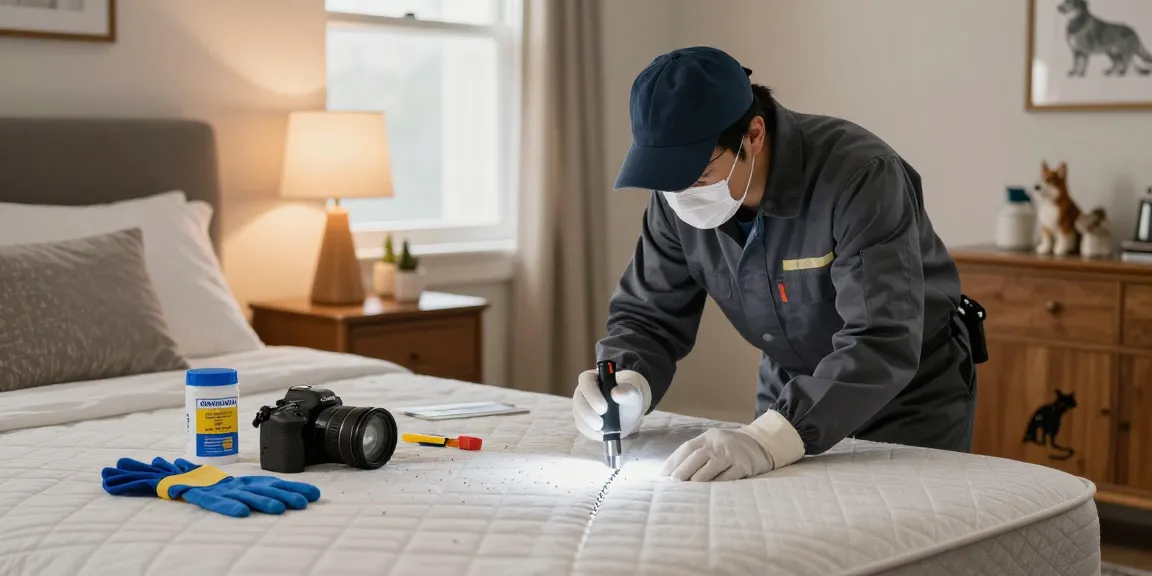
Understanding Bed Bug Infestations
Bed bugs are more than just a nuisance; they can cause significant discomfort and stress for any homeowner. As one of the most resilient pests, understanding their behavior, lifecycle, and the signs of an infestation is crucial for effective management. In Milwaukee, where the prevalence of bed bugs has been on the rise, seeking professional bed bug pest control services is often necessary to ensure a swift and thorough resolution.
What Are Bed Bugs and Their Lifecycle?
Bed bugs, scientifically known as Cimex lectularius, are small, wingless insects that feed on human blood. Adult bed bugs are about the size of an apple seed and vary in color from brown to reddish-brown. A single female bed bug can lay up to 500 eggs in her lifetime, with eggs hatching in about 6 to 10 days under optimal conditions. The lifecycle comprises three stages: egg, nymph, and adult. Each nymph stage requires a blood meal for growth, making infestations challenging to control.
Identifying Signs of Bed Bug Infestations
Recognizing the signs of a bed bug infestation early can significantly reduce the cost and effort needed for treatment. Common indicators include:
- Red, itchy welts: Often in a line or cluster on the skin, resulting from bites.
- Visual sightings: Adult bed bugs and their shed skins may be found in hiding spots.
- Dark spots: Excrement from bed bugs appears as small, dark spots on bedding or mattresses.
- Blood stains: Small blood spots on sheets can indicate bed bug activity.
Pain Points: Why Professional Bed Bug Pest Control is Essential
DIY approaches can seem appealing; however, they often fall short when dealing with bed bugs. These pests are expert hitchhikers and can spread quickly throughout a home. Moreover, their resilience means that without professional intervention, an infestation can persist, leading to emotional distress and financial burden.
Bed Bug Pest Control Techniques
When it comes to bed bug extermination, various methods are available, each with its own set of benefits and challenges. Understanding these techniques is key to effective pest management.
Comparative Analysis: Chemical vs. Heat Treatments
Two primary methods for bed bug extermination are chemical treatments and heat treatments. Chemical treatments involve the use of pesticides that create a residual barrier, lasting up to 120 days. This method is effective in detecting and eliminating adult bugs as well as their eggs, but can sometimes require multiple applications to be fully effective.
On the other hand, heat treatment is an eco-friendly option that raises the ambient temperature to a level that is lethal for bed bugs at all life stages. This method not only eliminates the pests but also aids in eliminating allergens, such as dust mites. Both methods have their merits, and often a combination may yield the best results.
DIY Methods: Pros and Cons for Bed Bug Control
DIY approaches to bed bug treatment can include the use of over-the-counter insecticides, steam cleaners, and vacuuming. While these methods can help reduce bed bug populations, they are typically not sufficient for complete eradication. DIY solutions often lack the necessary chemicals to penetrate deep into cracks and crevices where bed bugs hide, making professional intervention essential for thorough control.
Choosing the Right Pest Control Service in Milwaukee
Selecting a pest control service in Milwaukee requires careful consideration. Look for companies that are specialized in bed bug extermination and have a proven track record. Verifying certifications, reading customer testimonials, and checking satisfaction ratings are crucial steps to ensure you’re choosing a reliable provider.
Preparing Your Home for Bed Bug Treatments
Proper preparation is essential before any bed bug treatment. This not only helps with the effectiveness of the extermination but also minimizes the risk of re-infestation.
Step-by-Step Guide to Home Preparation
To prepare your home for treatment, follow these steps:
- Remove all bed linens and wash them in hot water.
- Clear clutter around beds and other potential hiding spots.
- Inspect and treat any items that cannot be washed.
- Notify your pest control technician of any prior infestations or treatment methods used.
Storing Belongings: Best Practices
Before treatment, store all belongings in sealed bags to prevent bed bugs from spreading further. It’s advisable to store items away from affected areas to reduce the risk of cross-contamination.
Understanding Treatment Protocols and Expectations
Each pest control service may have different protocols, so it is essential to clearly understand what to expect during the treatment process. Inquire about the duration of the treatment, post-treatment care, and what signs to look for post-application to ensure that the treatment was successful.
Maintaining a Bed Bug-Free Environment
Once bed bugs have been eliminated, maintaining a pest-free environment is crucial. Regular monitoring and preventative measures can significantly reduce the chances of future infestations.
Regular Monitoring: How to Inspect for Bed Bugs
Frequent inspections can help catch any signs of bed bugs early. Check places like bed frames, headboards, and seams of mattresses for any telltale signs. Additionally, using bed bug mattress encasements can provide an added layer of protection.
Preventative Measures to Avoid Future Infestations
To prevent future infestations, consider implementing the following practices:
- Avoid bringing secondhand furniture without thorough inspections.
- Be cautious when traveling; inspect luggage and clothing before bringing items into your home.
- Maintain cleanliness; regularly vacuum and clean living spaces.
Educating Family and Friends About Bed Bug Awareness
Awareness is crucial in preventing the spread of bed bugs. Educating family members, friends, and even neighbors about recognizing signs of bed bug infestations can help in addressing issues before they escalate.
Case Studies and Success Stories
Real-world examples of successful pest control can provide valuable insights into effective strategies for managing bed bug infestations.
Real-World Results: Milwaukee Bed Bug Control Testimonials
Numerous clients in Milwaukee have shared their positive experiences with local bed bug pest control services, highlighting how professional treatment effectively eliminated their infestations.
Case Study: Effective Strategies Used in Multi-Unit Dwellings
In multi-unit dwellings, a strategic approach is required to prevent the spread of bed bugs. One effective case involved collaborative efforts with property management to conduct thorough inspections and treatments of shared spaces.
Lessons Learned: What Worked and What Didn’t in Bed Bug Treatments
Through various case studies, it is clear that a combination of methods, including both chemical and heat treatments, often yields the best results. Additionally, understanding the habits of bed bugs can inform better treatment planning and implementation.
What are the most effective methods for bed bug pest control?
Some of the most effective methods include heat treatments, chemical spray treatments, and encasements for mattresses. A combination of these methods often results in comprehensive pest management.
How can I prevent a bed bug infestation in my home?
To prevent bed bug infestations, maintain cleanliness, regularly inspect your living space, and avoid bringing in used furniture without proper inspection.
What signs indicate I have a bed bug problem?
Signs of a bed bug problem include bites on the skin, small bloodstains on bedding, and the presence of dark fecal spots in hiding areas.
How long does a bed bug treatment typically take?
The duration of bed bug treatments can vary, but most require several hours to a few days for complete eradication, depending on the severity of the infestation.
Can bed bugs return after treatment?
While effective treatments can eliminate bed bugs, they can return if new infested items are introduced, or if preventative measures are not maintained.