
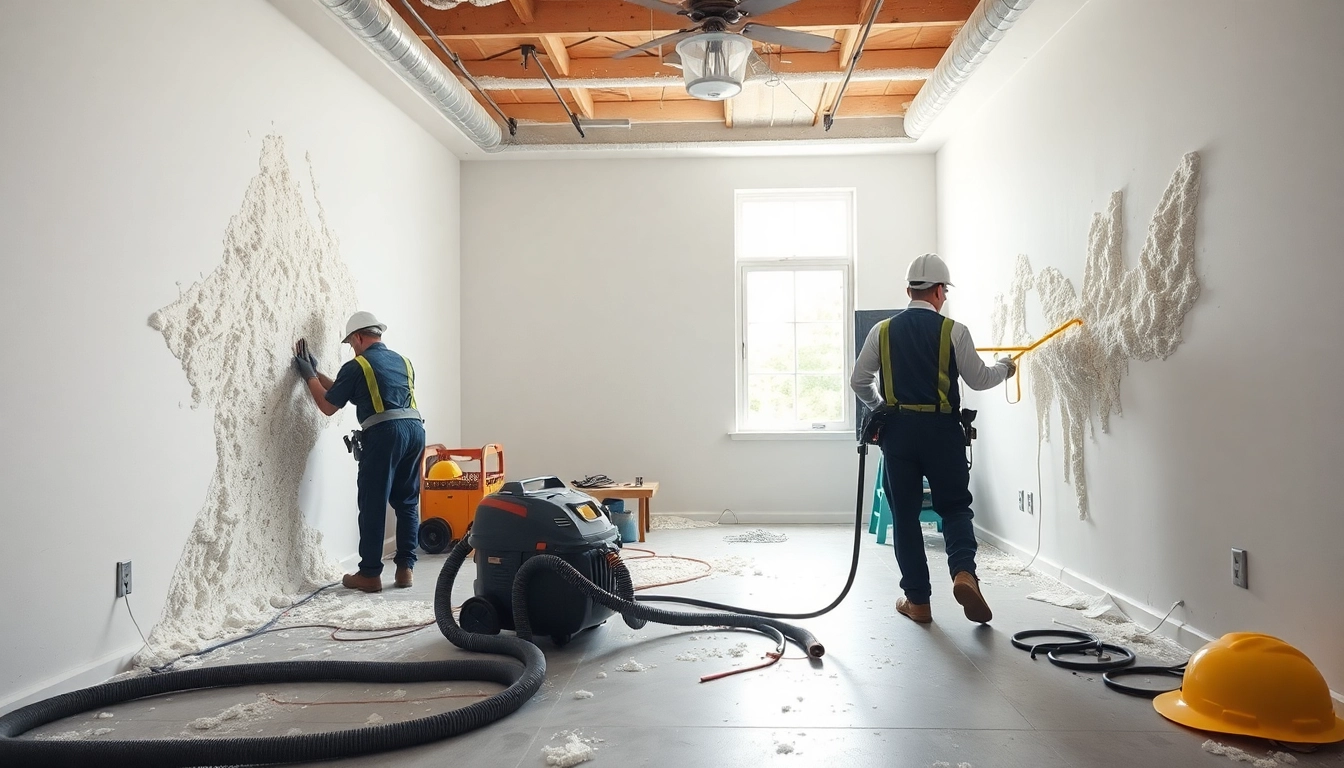
Understanding Professional Spray Foam Removal
What is Spray Foam Insulation?
Spray foam insulation is a popular building material known for its excellent thermal insulation properties. It is formulated from two primary components: isocyanate and polyol resin. When these components are mixed, they undergo a chemical reaction that causes them to expand and solidify, forming a rigid or semi-rigid foam. This foam effectively fills gaps and cracks in walls, roofs, and other areas, creating an airtight seal that enhances energy efficiency. Its versatility makes it suitable for both residential and commercial buildings. However, its durability can sometimes lead to issues that require removal, particularly if improper installation occurs or if building modifications are needed.
Importance of Professional Removal
Removing spray foam insulation requires expert knowledge and precision. The need for professional spray foam removal arises when insulation becomes damaged, compromised, or if it needs to be replaced for renovations. A professional approach ensures that the removal is done effectively, minimizing damage to surrounding structures and avoiding health risks associated with exposure to chemicals in the foam. Professionals are trained to navigate the complexities of the material, ensuring proper safety protocols are followed and that the area is left clean and ready for the next steps in construction or remodeling.
Common Removal Methods
Several methods exist for the removal of spray foam insulation, each depending on the specific situation. These include mechanical removal via scraping or cutting tools, which entail physically removing the foam from surfaces, and chemical methods that involve solvents to break down the foam structure. While DIY methods may seem cost-effective, they often lead to unforeseen complications. Professional services leverage advanced techniques and equipment to effectively remove spray foam with minimal disturbance to the underlying materials.
Essential Preparation for Removal
Assessing the Area Before Removal
Before initiating the removal process, a thorough assessment of the area is crucial. This involves inspecting the insulation’s condition, understanding its installation method, and identifying any potential hazards. Factors such as the type of surface the foam is attached to and access to the area also affect the removal strategy. Moreover, assessing the site allows professionals to plan for safety measures and necessary equipment, ensuring an efficient removal process.
Necessary Tools and Equipment
Proper tools are essential for the effective removal of spray foam. Some common tools include:
- Utility knives for cutting away foam.
- Heat guns to soften foam for easier removal.
- Scrapers for stripping off remnants from surfaces.
- PPE (personal protective equipment) like gloves, goggles, and masks to protect workers from debris and fumes.
- Solvents, if applicable, for chemical-based removal.
Having the right tools at hand can streamline the process and reduce the amount of time spent on the job.
Safety Protocols and Precautions
Safety cannot be oversimplified when it comes to spray foam removal. Workers must follow strict safety protocols, including:
- Wearing protective gear to guard against chemical exposure and physical injury.
- Ensuring good ventilation in the workspace to prevent inhalation of fumes.
- Preparing the area to avoid damage to furniture or flooring, which may involve masking off surfaces and clearing the area of obstructions.
- Understanding the composition of the foam to identify any potentially hazardous materials contained within.
Following these safety measures is crucial for protecting both workers and the structural integrity of the building.
Step-by-Step Guide to Professional Spray Foam Removal
Preparing the Workspace
Workspace preparation lays the foundation for a successful removal. This involves clearing the area of furniture and other obstacles, protecting non-target surfaces with drop cloths, and ensuring adequate ventilation. The work zone should be marked and secured to prevent unauthorized access during the removal process. Additionally, having a clear layout of the tools and equipment will help streamline operations and keep processes safely organized.
Execution of the Removal Process
The actual removal process can vary based on the method chosen but generally follows a structured approach:
- Initial Cutting: Use utility knives to cut through the foam, particularly around edges and seams.
- Mechanical Removal: Utilize scrapers or heat guns as necessary to lift larger sections of foam.
- Chemical Application: If using solvents, apply them according to the manufacturer’s instructions to soften the foam, making it easier to scrape away.
- Thorough Clean-Up: After complete removal, it’s important to clean the surfaces of any remaining debris, dust, or residue.
Once the removal process is complete, conducting a final inspection ensures that no foam residue remains and that the surface is ready for any next steps in the renovation or repair process.
Post-Removal Cleanup and Disposal
After the foam has been removed, the next phase involves cleanup and safe disposal of the material. Workers need to gather all remnants, using vacuums or brooms to clear debris. Depending on local regulations, it may be essential to dispose of the removed foam as hazardous waste. Therefore, consulting local disposal guidelines helps prevent environmental contamination and ensures compliance with regulations.
Challenges in Spray Foam Removal
Identifying Potential Issues
As with many construction and renovation tasks, challenges can arise during the removal of spray foam. One common issue is the difficulty in reaching tight spaces where foam has been installed. Another challenge is the potential for damage to underlying materials; for instance, drywall or wood structures can be compromised if the foam is not removed carefully. Identifying these potential issues early on allows professionals to plan their approach effectively, minimizing risks and potential extra costs.
Dealing with Residue and Damages
Residual foam and damage can represent significant hurdles post-removal. Residue that remains can hinder new installations, while any surface damage to walls or other structures may require repair. Mitigating these issues involves utilizing appropriate cleaning tools and potentially applying remedial measures, such as patching or repainting surfaces. Being proactive about addressing any damage helps ensure that the area is ready for its next intended use without further complications.
Professional Solutions to Common Problems
Engaging professionals for spray foam removal ensures access to the right solutions for common problems. They typically bring experience in identifying the best methodologies tailored to specific situations, which might include specialized removal tools or innovative techniques for dealing with stubborn foam. Additionally, seasoned professionals can provide recommendations on suitable materials for replacement insulation, enhancing energy efficiency without unneeded complications.
FAQs on Professional Spray Foam Removal
What should I expect during the removal process?
You can expect a thorough assessment of your space, effective removal methods that minimize damage, and a clean, debris-free environment once the job is completed.
Is professional spray foam removal safe?
Yes, professional removal is safe as it follows strict safety protocols. Skilled workers wear protective gear and use appropriate equipment to mitigate risks associated with foam exposure.
How long does the removal process take?
The duration of the removal process depends on the project’s extent and complexity. A typical job might take anywhere from a few hours to a couple of days.
Can I remove spray foam insulation myself?
While DIY removal is possible, it can be labor-intensive and risky. It’s often advisable to hire professionals who have the right tools and experience to ensure safe and effective removal.
What are the costs associated with professional removal?
Costs can vary widely based on project size, location, and the complexity of the removal. It’s best to consult professionals for an accurate estimate and discuss any specific requirements.