
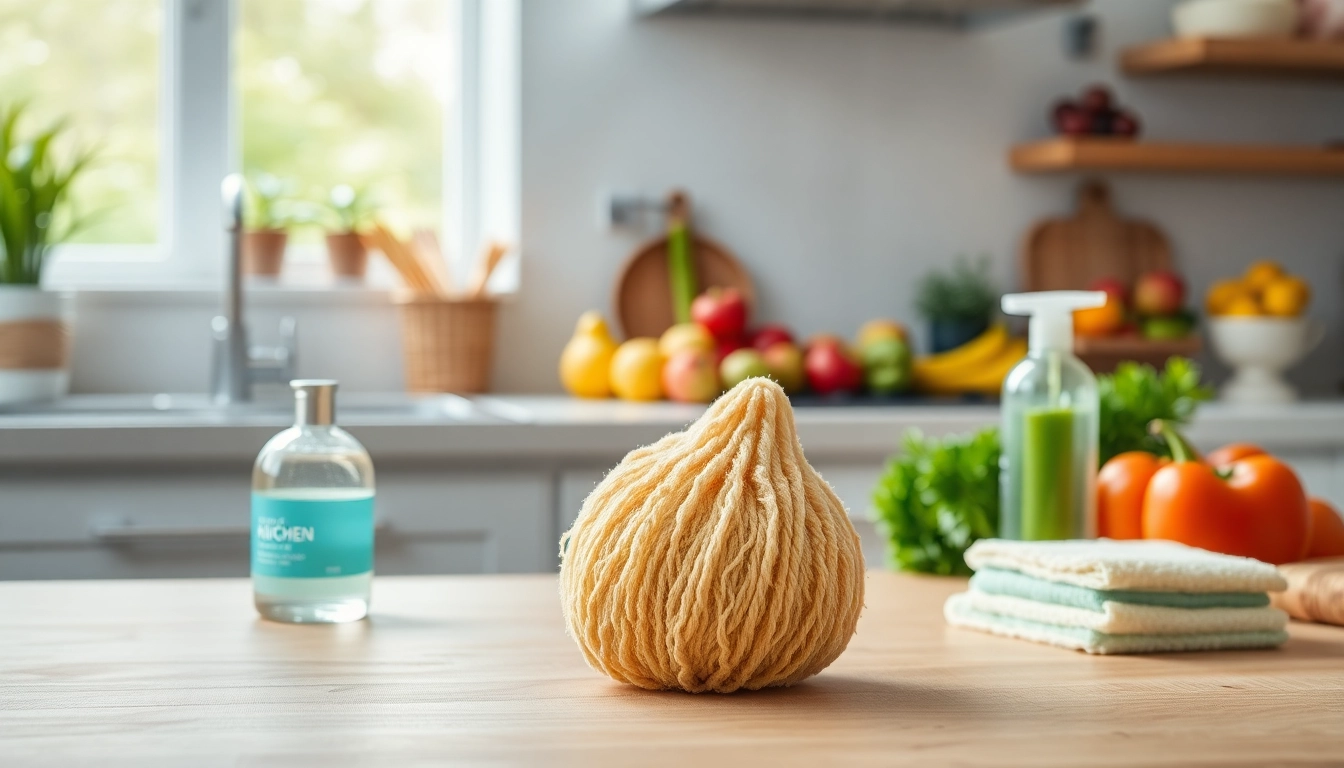
Introduction to Kitchen Loofah Scrubber
In today’s eco-conscious world, there is a growing trend towards using natural cleaning products in our homes. Among these, the kitchen loofah scrubber stands out as an essential tool for effective cleaning. In this article, we will delve into what exactly a kitchen loofah scrubber is, its benefits, how to choose the right one, and ways to use it effectively in your culinary space.
What is a Kitchen Loofah Scrubber?
A kitchen loofah scrubber is a natural, biodegradable cleaning tool made from the dried fibrous interior of the loofah plant, which is part of the cucumber family. Known for its coarse texture, the loofah scrubber excels at non-toxic scrubbing of pots, pans, and other kitchen surfaces.
Unlike synthetic scrubbers, which can wear down quickly and release harmful substances into the environment, the kitchen loofah scrubber is fully compostable and safe for use around food, making it an excellent choice for health-conscious consumers.
Benefits of Using Kitchen Loofah Scrubber
The kitchen loofah scrubber comes with a myriad of benefits, contributing to both effective cleaning and environmental sustainability. Here are some key benefits:
- Natural Cleaning: Made from organic materials, loofah scrubbers are free from chemicals that often accompany synthetic scrubbers.
- Biodegradable: Once worn out, these scrubbers can return to the earth without causing harm.
- Durability: When properly maintained, loofah scrubbers can last several months, offering both value and performance.
- Effective Scrubbing Power: The natural texture of loofah efficiently removes tough grime without scratching surfaces.
- Versatility: Ideal for both light and heavy-duty cleaning tasks, kitchen loofah scrubbers can be used on various surfaces.
Choosing the Right Kitchen Loofah Scrubber
To maximize the efficiency of your cleaning endeavors, selecting the right kitchen loofah scrubber is crucial. Here are some factors to consider:
- Size: Opt for a size that suits your cleaning needs. Larger loofahs are great for bigger pots, while smaller ones are convenient for delicate items.
- Texture: Choose a scrubber based on the level of abrasiveness you require. Some loofahs are coarser, ideal for pans, while finer ones are suitable for glassware.
- Brand Integrity: Look for brands committed to sustainable practices to ensure your scrubber comes from a responsible source.
- Packaging: Eco-friendly packaging can also be an indicator of the brand’s overall commitment to sustainability.
How to Use a Kitchen Loofah Scrubber Effectively
Cleaning Techniques for Best Results
For effective cleaning, employing the right techniques with your kitchen loofah scrubber is important. Start by wetting the scrubber with warm water, then apply a small amount of your preferred plant-based dish soap. Use a gentle scrubbing motion to loosen dirt and grime, focusing on high-traffic areas such as pot bottoms and food preparation surfaces. For tougher stains, allow the soapy water to sit for a few minutes before scrubbing.
Maintenance Tips for Longevity
To ensure a long lifespan for your kitchen loofah scrubber, follow these maintenance tips:
- Rinse Thoroughly: After each use, rinse the scrubber under hot water to remove food particles and soap residues.
- Air Dry: Store the scrubber in a well-ventilated area to allow it to dry completely, preventing bacterial growth.
- Disinfect Regularly: Once a week, soak the scrubber in a solution of vinegar and water to eliminate any built-up bacteria.
When to Replace Your Kitchen Loofah Scrubber
Recognizing when to replace your kitchen loofah scrubber can save you from ineffective cleaning. Indicators include:
- Fraying or falling apart
- Persistent odors that don’t fade with cleaning
- Visible mold or discoloration
Typically, replacing your kitchen loofah scrubber every 4 to 6 weeks is advisable, depending on usage and maintenance habits.
Eco-Friendly Benefits of Kitchen Loofah Scrubber
Biodegradable Properties Explained
One of the most attractive features of the kitchen loofah scrubber is its biodegradable nature. Made entirely from natural plant materials, when it reaches the end of its life cycle, it can be composted without harming the environment, completing its journey in a sustainable manner. This contrasts sharply with synthetic scrubbers, which contribute to plastic waste that may take hundreds of years to decompose.
Reducing Plastic Waste with Kitchen Loofah Scrubber
Plastic waste has become one of the most pressing environmental issues today. By switching to a kitchen loofah scrubber, consumers play a part in reducing plastic consumption. As more people embrace natural alternatives to commonplace plastic products, there arises a collective potential to decrease landfill burdens and lower the carbon footprint associated with production and disposal.
Supporting Sustainable Practices
Utilizing kitchen loofah scrubbers encourages sustainable practices both in personal habits and broader market dynamics. When consumers opt for biodegradable scrubbers, this promotes a demand for eco-friendly products, influencing industries to develop more sustainable manufacturing processes. Additionally, it inspires others to seek natural alternatives, creating a ripple effect in fostering a healthier planet.
Common Misconceptions about Kitchen Loofah Scrubber
Debunking Myths related to Effectiveness
Some consumers wrongly assume that natural scrubbers are less effective than their synthetic counterparts. However, the kitchen loofah scrubber has proven cleaning capabilities. Its fibrous texture can tackle tough grime while remaining gentle enough for delicate surfaces. Many advocates prefer loofahs for their non-toxic properties, knowing that they leave no chemical residues behind.
Comparative Analysis with Synthetic Scrubbers
When comparing kitchen loofah scrubbers with synthetic options, the latter often excels in durability but lags in sustainability. Synthetic scrubbers can shed microplastics that contaminate water sources and harm marine life. In contrast, while loofah scrubbers may wear out faster, they pose minimal environmental threats and decompose efficiently.
Understanding Allergies and Sensitivities
Another misconception is that loofah scrubbers can trigger allergies or sensitivities. Loofah is generally hypoallergenic and suitable for most people. However, it’s important to note that individual reactions can vary. If you have very sensitive skin, ensure that the loofah is thoroughly cleaned and dried to avoid any potential reactions before use.
FAQs About Kitchen Loofah Scrubber
How often should I clean my kitchen loofah scrubber?
Clean your kitchen loofah scrubber after every use. For deep cleaning, soak it in vinegar or a diluted bleach solution once a week.
Can kitchen loofah scrubber be used on non-stick surfaces?
Yes, kitchen loofah scrubbers can be safely used on non-stick surfaces as they are gentle and won’t scratch the coating.
What is the best way to disinfect a kitchen loofah scrubber?
The best method is to soak it in a mix of hot water and white vinegar for at least 10 minutes to kill bacteria.
Are kitchen loofah scrubbers compostable?
Yes, kitchen loofah scrubbers are entirely compostable as they consist of organic material.
Where should I store my kitchen loofah scrubber?
Store your kitchen loofah scrubber in a dry, well-ventilated place to prevent mold and bacteria growth.