
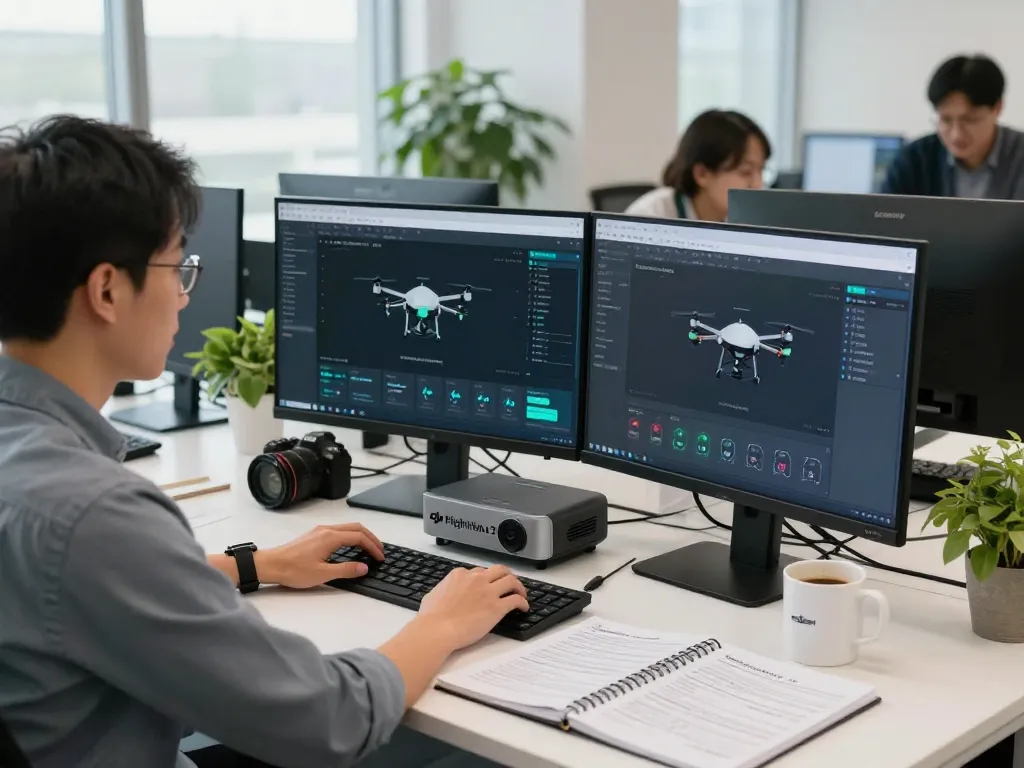
Understanding DJI FlightHub On-Premises Solutions
In the rapidly evolving landscape of drone technology, the ability to manage aerial fleets efficiently is paramount. The dji flighthub on premises solution offers organizations the capability to harness the power of drone management within their own IT infrastructure. This on-premises setup ensures robust data control, security, and compliance with internal governance standards, making it an attractive option for enterprises that prioritize confidentiality and data integrity.
What is DJI FlightHub On-Premises?
DJI FlightHub On-Premises represents a significant shift from traditional cloud-based drone management systems. It allows organizations to deploy a centralized platform for managing drone operations locally, offering the same functionalities as the public cloud version but with greater control over data storage and processing. This solution is tailored for environments demanding stringent compliance and security protocols, thus facilitating mission planning, fleet monitoring, and data analysis without the vulnerabilities sometimes associated with internet-based services.
Key Features of the Basic (1 Device) Package
The Basic (1 Device) package serves as a foundational entry point for organizations looking to implement DJI FlightHub On-Premises. Here are some of its key features:
- Local Deployment: Ensures data remains within the organization’s confines, reducing exposure to external risks.
- Full System Capabilities: Offers all functionalities available in the cloud version, including mission planning, real-time monitoring, and performance analytics.
- Yearly Updates: The package includes one year of software updates to ensure the platform remains current with technological advancements.
- Scalability: Designed to support expansion, organizations can seamlessly increase their device count as operational needs grow.
Benefits of Local Deployment for Organizations
Transitioning to an on-premises system like DJI FlightHub provides numerous advantages, particularly for large enterprises and institutions. These benefits include:
- Data Sovereignty: Organizations maintain ownership and control over sensitive data, ensuring compliance with local data protection regulations.
- Reduced Latency: Local systems can reduce processing time for critical tasks, enhancing overall response rates during operations.
- Customization: Organizations have the flexibility to tailor the platform to align with existing IT workflows and industry-specific requirements.
- Enhanced Security: With data housed on internal servers, organizations can implement stricter security measures suited to their unique operational environments.
Scalability and Flexibility in Fleet Management
Scaling from Single Device to Multiple Assets
The Basic package of DJI FlightHub On-Premises is designed with scalability in mind. Initially accommodating one device, enterprises can expand their operational capacity as their needs evolve. This flexibility allows businesses to commence their drone operations with minimal investment while having a clear pathway for growth. Whether starting with a single DJI Dock or an enterprise-grade drone, organizations can progressively scale their fleet without having to transition to an entirely new management platform.
Types of Supported Devices and Compatibility
DJI FlightHub On-Premises supports a wide range of devices, ensuring compatibility with various drones and payloads. This includes:
- DJI Dock Series: Including Dock, Dock 2, and Dock 3, which enable autonomous drone operations.
- Drone Models: Compatible with robust enterprise drones such as the Mavic 3 Enterprise, Matrice 30 Series, Matrice 300/350 RTK, and Matrice 4 Series.
- Payload Options: A variety of payloads, including Zenmuse H30 Series and H20 Series cameras, to enhance operational capabilities.
Integrating with Existing IT Infrastructure
A successful implementation of DJI FlightHub On-Premises requires seamless integration with existing IT infrastructure. Organizations should assess their current systems to ensure compatibility with FlightHub’s operational protocols. This may involve connecting the platform with:
- Existing enterprise resource planning (ERP) systems to enhance operational workflows.
- Data analytics tools for improved insights into fleet performance and mission success rates.
- Internal security protocols to guarantee compliance and protect sensitive information.
Operational Best Practices for DJI FlightHub 2
Streamlining Drone Operations with FlightHub 2
To maximize the capabilities of DJI FlightHub 2, organizations should adopt best practices that streamline drone operations. These include:
- Centralized Mission Management: Utilizing the platform to oversee all drone missions fosters improved coordination and situational awareness across teams.
- Advanced Flight Planning: Leveraging intelligent scheduling tools within the platform can lead to optimized flight paths, reducing travel time and enhancing operational efficiency.
- Automated Workflows: As fleets grow, automation can help standardize processes, managing tasks efficiently and minimizing human error.
Security and Compliance Considerations
Security must be a cornerstone of any drone operation. With DJI FlightHub On-Premises, organizations can establish a secure environment that upholds compliance with local regulations. Best practices include:
- Customizable Permissions: Grant specific access rights to different users based on their roles, ensuring only authorized personnel can access sensitive data.
- Regular Security Audits: Conducting periodic reviews of the system’s security measures helps to identify vulnerabilities and rectify them proactively.
- Secure API Integrations: Utilize open APIs for seamless integration with existing security protocols and data management systems.
Performance Metrics to Track Fleet Efficiency
Measuring the effectiveness of fleet operations is crucial for continuous improvement. Organizations using DJI FlightHub should consider tracking the following metrics:
- Flight Hours: Monitor total flight hours to assess operational capacity and plan maintenance schedules effectively.
- Mission Success Rate: Analyze the ratio of successful missions to identify areas for improvement.
- Data Utilization: Measure how effectively collected data is being used in decision-making processes.
Implementing DJI FlightHub On-Premises: A Step-by-Step Guide
Preparing Your IT Environment for FlightHub
Prior to implementation, it is essential to prepare the IT environment for DJI FlightHub On-Premises. Steps include:
- Assessing Network Capacity: Ensure the network can support a minimum bandwidth of 50 Mbit/s for optimal performance.
- Configuring Server Requirements: The necessary hardware specifications should be in place to handle the software’s processing demands.
- Security Measures Setup: Implement appropriate security measures to protect data integrity from the outset.
Installation and Configuration Processes
The installation process for DJI FlightHub On-Premises involves several critical steps. Begin by:
- Installing Software: Follow the manufacturer’s guidelines for software installation on the designated server.
- Configuring Network Settings: Set up the internal network to facilitate seamless communication between drones, docks, and the FlightHub platform.
- Testing the System: Conduct thorough testing to ensure all components are functioning correctly before full deployment.
Setting Up User Permissions and Security Features
Post-installation, configure user permissions to establish a secure operating environment. This can include:
- Defining User Roles: Assign roles based on operational functions to limit access to sensitive areas of the platform.
- Implementing Two-Factor Authentication: Enhance security by requiring a second form of verification during user login.
- Regular Training Sessions: Conduct training for users to familiarize them with security protocols and software features.
Future Trends in Drone Fleet Management
Emerging Technologies Supporting Drone Operations
The drone industry is witnessing an influx of emerging technologies that promise to enhance fleet management. These include:
- 5G Connectivity: The rollout of 5G networks will enable faster data transmission, enhancing real-time communication and remote operations.
- Edge Computing: Processing data closer to the source (i.e., on the drone) will reduce latency and allow for quicker decision-making in the field.
- Blockchain for Security: Implementing blockchain technology can enhance data security and traceability, particularly in sensitive operations.
The Role of AI and Data Analytics in Fleet Management
Artificial intelligence (AI) and data analytics are set to revolutionize how organizations manage their drone fleets. Key areas of impact include:
- Predictive Maintenance: AI algorithms can analyze historical performance data to predict maintenance needs, reducing downtime and costs.
- Enhanced Decision Making: Data analytics can provide valuable insights into flight patterns, enabling better resource allocation and strategic planning.
- Autonomous Operations: AI advancements are paving the way for more autonomous drone operations, reducing the need for human intervention.
Predictions for Drone Management Innovations in 2026
As the drone industry evolves, several innovations can be anticipated by 2026:
- Integration of IoT Devices: Increased integration with Internet of Things (IoT) devices will provide a comprehensive overview of operational environments.
- Regulatory Advancements: Ongoing development in regulatory frameworks will facilitate broader use of drones in commercial applications.
- Growth in Public Safety Use Cases: Drones will increasingly be employed in public safety for surveillance, emergency response, and disaster management.
What are the main advantages of using DJI FlightHub On-Premises?
Organizations benefit from enhanced data control, local deployment for security purposes, and a customizable platform that can grow with their operational needs.
Can I expand my DJI FlightHub setup later?
Yes, the Basic Package is designed for scalability, allowing the addition of more devices and functionalities as your fleet management needs evolve.
What devices are compatible with DJI FlightHub On-Premises?
The system supports various DJI devices including the Matrice and Mavic series, as well as DJI Dock models, ensuring a wide range of operational capabilities.
How do I ensure compliance while using FlightHub?
Compliance is maintained through customizable user permissions, regular security audits, and adherence to local data protection laws.
What are the support resources available for FlightHub users?
Users can access comprehensive support documentation, training resources, and customer service through DJI and authorized dealers, ensuring a smooth operational experience.