
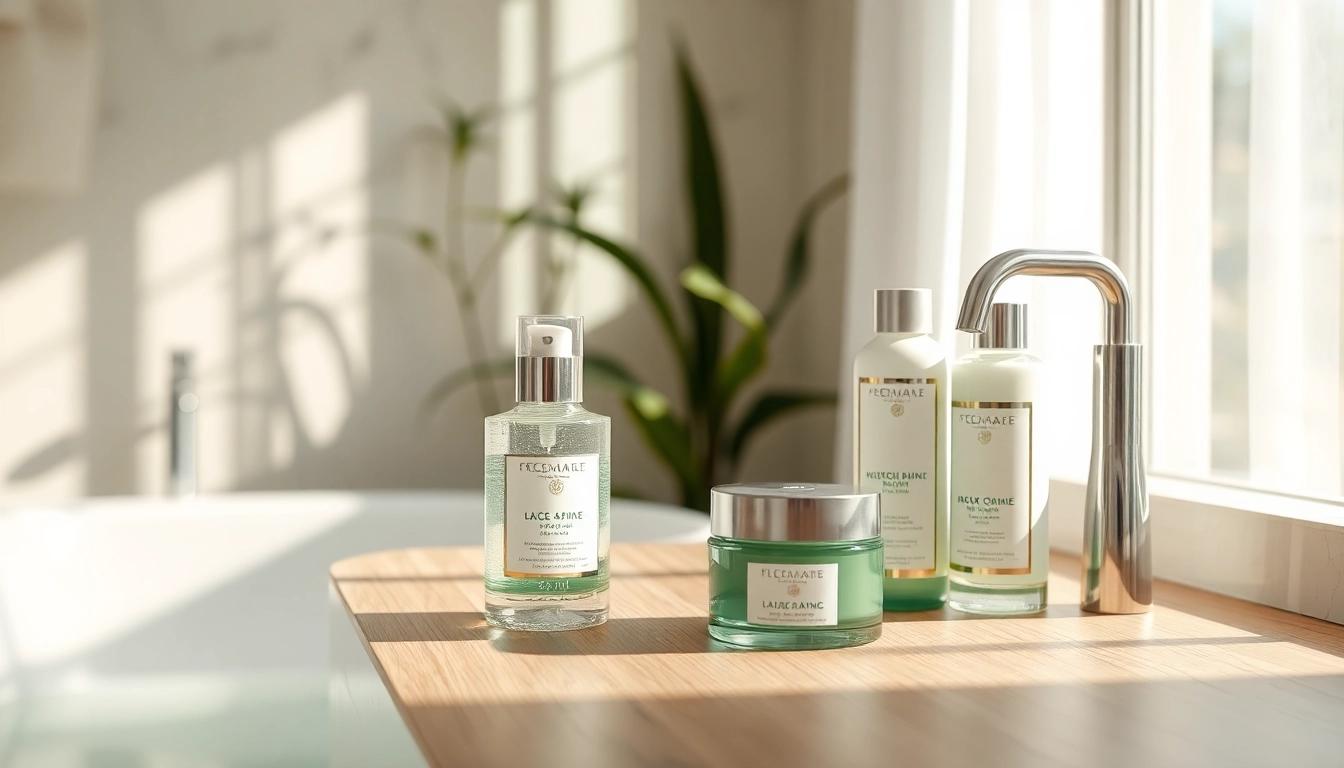
Understanding Microbiome Friendly Skincare
As we step into a new year, many individuals seek to rejuvenate their skin, often drawing inspiration from the idea of a “skin reset.” One of the most effective approaches encompasses the use of microbiome friendly skincare, which focuses on nurturing the skin’s natural balance. This article delves into the principles behind microbiome-friendly products, highlighting their benefits, key ingredients, and how to tailor a skincare routine that aligns with individual skin types and ages.
What is Microbiome Friendly Skincare?
Microbiome friendly skincare refers to products formulated to support the skin’s natural ecosystem of microorganisms. Our skin hosts trillions of bacteria, fungi, and other microbes that contribute to its health and appearance. This delicate balance can be disrupted by numerous factors, including environmental stressors, harsh ingredients, and improper skincare practices. Microbiome-friendly products aim to restore and protect this balance by incorporating gentle, natural ingredients that promote the growth of beneficial bacteria while discouraging harmful pathogens.
Benefits of Supporting Your Skin’s Microbiome
Investing in microbiome-friendly skincare offers several advantages for maintaining healthy skin:
- Enhanced Skin Barrier: A balanced microbiome helps strengthen the skin’s barrier, protecting against environmental aggressors and preventing moisture loss.
- Reduced Inflammation: Microbiome-friendly products can help minimize redness and irritation, contributing to a more even skin tone.
- Improved Hydration: By fostering beneficial microorganisms, these products can enhance the skin’s ability to retain moisture, leading to plumper, more radiant skin.
- Long-term Skin Health: Supporting the microbiome may reduce the risk of various skin issues, such as acne, eczema, and premature aging.
Common Misconceptions about Microbiome Skincare
Despite its rising popularity, there are several misconceptions surrounding microbiome skincare:
- All Clean Products Are Microbiome Friendly: Not all “clean” products support the microbiome. It’s crucial to look for those specifically formulated with this goal in mind.
- Only Probiotics Matter: While probiotics play a role, prebiotics and other nurturing ingredients are equally important in maintaining a healthy microbiome.
- Results Are Immediate: Like any skincare regimen, the benefits of microbiome-friendly products build over time and require consistency for optimal results.
Key Ingredients for Microbiome Friendly Products
Understanding the ingredients that promote a balanced skin microbiome can significantly enhance your skincare choices. Here, we explore essential components that foster a healthy skin environment.
Natural Extracts that Nurture the Microbiome
Whole-plant extracts, such as aloe vera, chamomile, and calendula, are renowned for their soothing and healing properties. These extracts contain vitamins, minerals, and antioxidants that not only benefit the skin but also create a nurturing environment for beneficial microbes. Products that harness these natural ingredients often provide long-lasting results while aligning with a holistic approach to skincare.
Essential Oils vs. Synthetic Fragrances
While essential oils can enhance the sensory experience of skincare, their impact on the microbiome should not be overlooked. Natural essential oils possess antibacterial properties that can help maintain a balanced microbiome, unlike synthetic fragrances that may disrupt it. Choosing products with naturally derived scents can minimize irritation and promote skin health.
Role of Prebiotics and Probiotics in Skincare
Prebiotics serve as food for the beneficial bacteria on your skin, while probiotics introduce live bacteria that can bolster your skin’s natural defenses. Incorporating both into your skincare routine supports a thriving microbiome, enhancing your skin’s resilience and appearance.
Building a Personalized Skincare Routine
To maximize the benefits of microbiome-friendly skincare, it’s essential to tailor a routine that addresses your individual skin type and needs. Here’s how to get started:
Assessing Your Skin Type and Needs
Understanding your skin type is the first step in building an effective skincare routine. Consider factors such as oiliness, sensitivity, and hydration levels. For instance, those with oily skin may benefit from lightweight, gel-based products, while individuals with dry skin may require richer creams that lock in moisture.
Recommended Products for Every Skin Age
Skincare needs vary greatly with age. Here’s a brief guide:
- In Your Youth: Focus on hydration and barrier support with lightweight moisturizers and cleansing gels.
- Basic Age-Defying: Introduce serums rich in antioxidants and peptides to combat early signs of aging.
- Advanced Age-Defying: Opt for rich, hydrating formulations and products containing plant peptides to nourish thinner, drier skin.
Routine Tips for Maximum Impact
For best results, consider the following tips:
- Consistency is Key: Stick to your routine daily for optimal skin health.
- Patch Test New Products: Always test new products on a small area to ensure compatibility with your skin.
- Stay Hydrated: Drinking plenty of water aids in maintaining overall skin hydration.
Real Life Success Stories with Microbiome Skincare
To illustrate the effectiveness of microbiome-friendly products, let’s explore some real-life testimonials and before-and-after snapshots showcasing transformative results.
Customer Testimonials and Impact Analysis
Many customers have reported remarkable improvements in their skin health after switching to microbiome-friendly skincare products. For example, users have shared experiences of healing from chronic acne and achieving a more radiant complexion. By focusing on nourishing ingredients and avoiding harsh chemicals, they found that their skin not only looked better but felt healthier too.
Before and After Comparisons
Visual documentation often provides compelling evidence of progress. Customers have shared side-by-side images demonstrating significant changes, such as reduced redness, improved texture, and heightened radiance after consistent use of microbiome-friendly skincare regimens over several weeks.
Case Studies of Brand Transformations
Brands dedicated to microbiome-friendly principles have gained traction in the skincare market. For instance, numerous companies that previously focused on conventional formulations have revamped their product lines to prioritize microbiome health. This shift not only caters to consumer demand for clean beauty but also aligns with scientific understanding of skin health.
The Future of Skincare: Trends for 2026 and Beyond
The skincare landscape is rapidly evolving, with microbiome-friendly products at the forefront. Here are some trends anticipated to shape the industry in the coming years:
Emerging Ingredients in Microbiome Research
As microbiome research progresses, exciting new ingredients are expected to emerge. Ingredients with prebiotic and postbiotic benefits, derived from natural sources, are likely to take center stage, offering innovative solutions for various skin concerns.
Technological Innovations in Skincare
From AI-driven skin analysis to personalized skincare formulations, technology is poised to revolutionize how we approach skincare. Consumers will have access to tailored products that meet their unique microbiome needs, enhancing their overall experience.
Consumer Trends Shaping the Skincare Industry
Increasing awareness around the importance of microbiome health will drive consumer preferences towards transparency and ingredient integrity. Shoppers will seek brands that prioritize sustainability, ethical sourcing, and measurable results in their skincare formulations.